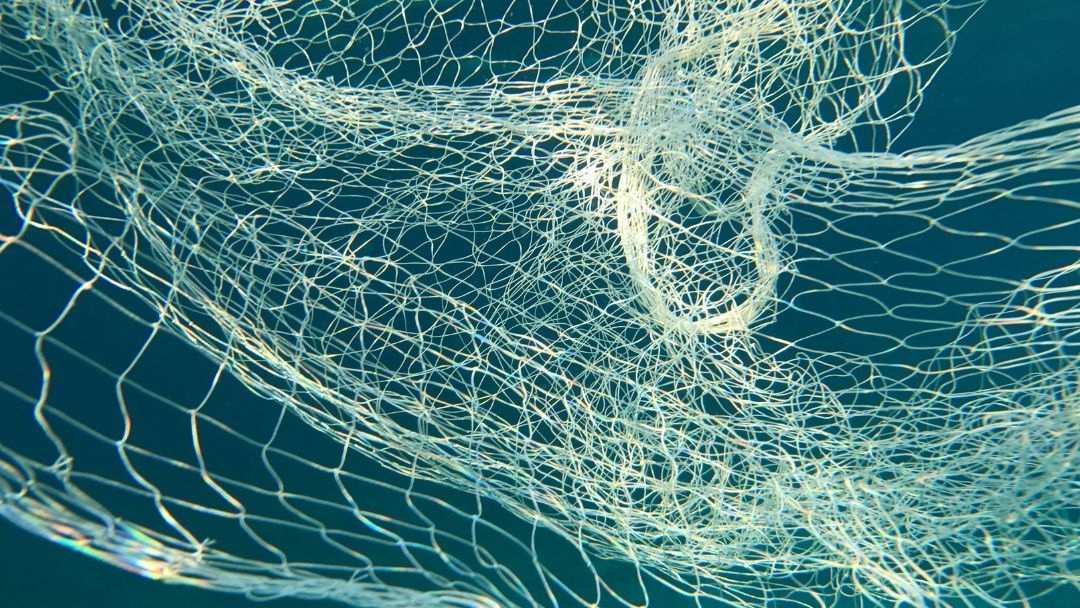
What Is Monofilament and How Does It Work in the Fishing Industry?
Monofilament is created through an extrusion process, where synthetic materials like polyamide, also known as nylon, are melted and molded into continuous, uniform threads. These threads are used to produce the fishing industry’s trusted monofilament lines.
This process ensures precise control over diameter, strength, and flexibility, allowing the line to meet the varied demands of fishing techniques and environments.
Above, Cadilhe & Santos’s advanced machinery operates with remarkable precision. Hundreds of needles and metal guides work in sync, weaving monofilament threads quickly and efficiently to shape durable fishing nets.
This industrial weaving process transforms extruded monofilaments into high-performance nets. It’s a critical step that showcases the technology and automation behind today’s fishing solutions. It ensures nets meet the highest standards of quality and durability for demanding marine environments.
Monofilament lines perform exceptionally in both freshwater and saltwater conditions. Saltwater variants receive anti-UV, anti-abrasion, and antioxidant treatments to resist harsh marine environments. Freshwater lines are lighter and more flexible for smoother handling.
Thanks to its versatility, monofilament works well for a wide range of catches, from small fish to larger species. This gives fishermen the flexibility to choose the best methods and gear for each operation.
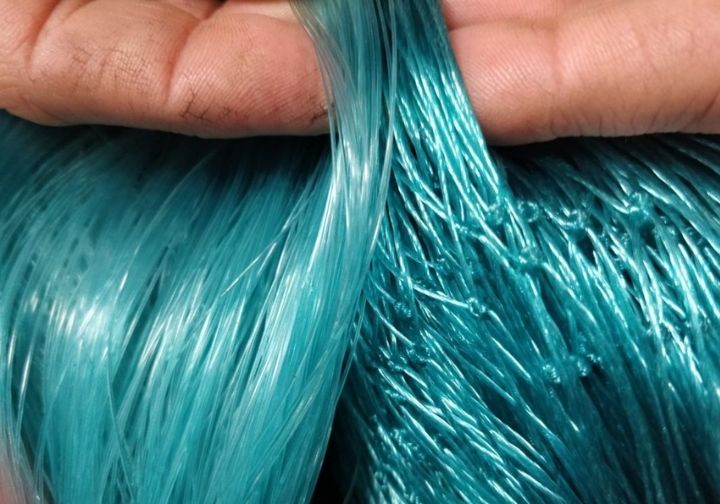
The Advantages of Monofilament Fishing Line for the Fishing Industry
1. Durability and Strength
Monofilament fishing lines are built to withstand harsh conditions, including strong currents, temperature shifts, and marine predators. For these demanding environments, choosing the strongest monofilament fishing line is key to ensuring performance and reliability at sea.
Its high resistance reduces the risk of breakage and premature wear, providing crews with reliable, long-lasting performance and helping organizations cut replacement costs.
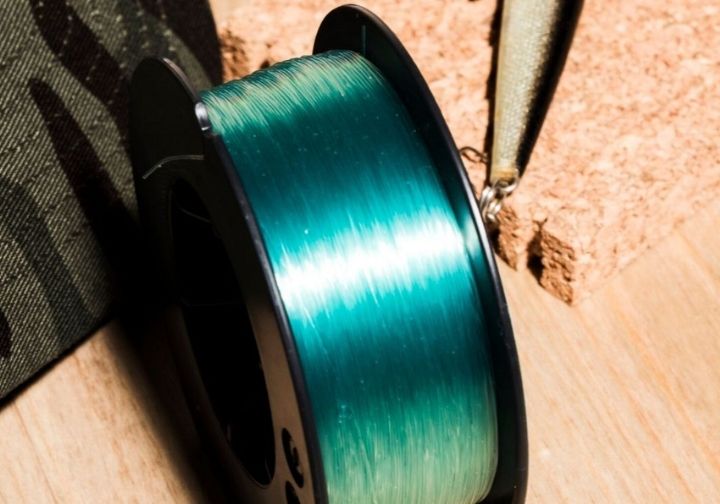
2. Lightweight and Efficient
A key benefit of monofilament line is its lightweight design, making it easier to handle during setup and fishing operations. Nets crafted from monofilament require less effort and time from crews.
Because they create less drag in the water, these nets also help reduce fuel consumption, leading to both cost savings and lower carbon emissions.
3. Sustainability and Environmental Responsibility
Modern monofilament lines can be produced with recyclable or biodegradable materials, helping the fishing industry adopt more eco-friendly practices. Innovations like Bio Net prove that technical performance can align with environmental responsibility, reducing marine litter and microplastic pollution. At the end of their life cycle, these products decompose naturally without harming marine ecosystems.
4. Adaptability to Different Fishing Techniques
Through advanced extrusion technology, monofilament lines are available in various diameters, thicknesses, and strength levels. This makes them highly adaptable to different fishing methods and requirements.
Whether for small-scale artisanal fishing or large-scale commercial operations, monofilament lines provide flexibility, meeting the evolving demands of the market and environmental regulations.
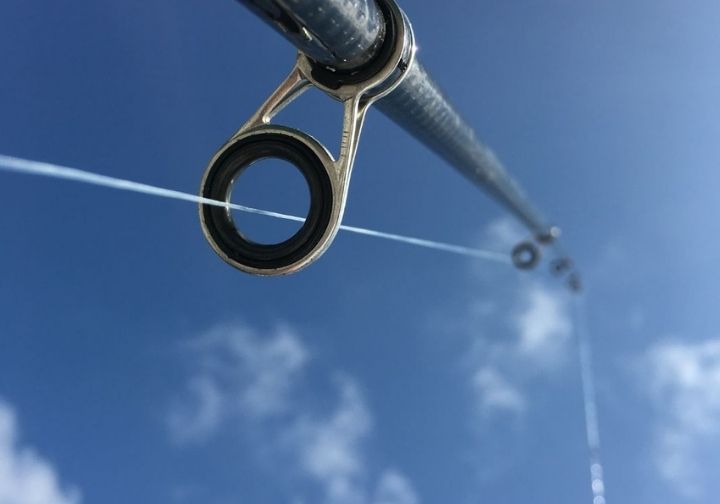
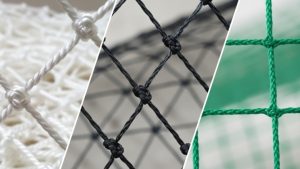
Types of Nets Manufactured
In commercial fishing, monofilament lines support more precise and controlled catches. Their low visibility underwater helps reduce bycatch, encouraging selective and sustainable fishing practices.
These qualities make monofilament an essential tool for marine resource management, minimizing environmental impact while simplifying crew operations through easy handling and reliable performance.
Innovation and Commitment to Quality
At Cadilhe & Santos, we design high-performance monofilament lines engineered to meet the industry’s toughest standards. We apply UV treatments and advanced technologies to enhance their durability and strength.
Our mission is to deliver solutions that make fishing operations more efficient, reliable, and sustainable, driving industry innovation while helping preserve marine resources.
Ready to elevate your fishing performance? Get in touch and discover how we can help.