Producing more fish without putting additional pressure on ecosystems is one of aquaculture’s greatest challenges. From protecting water quality to choosing suitable materials and ensuring safer structures, every decision directly affects farm performance and environmental impact.
It’s in this context that sustainable aquaculture plays a key role as a technical, environmental, and economic response to the current challenges of fish farming.
What Is Sustainable Aquaculture?
Sustainable aquaculture seeks to balance production, efficiency, and environmental responsibility. In practice, this means:
- Reducing waste of feed, energy, and materials;
- Protecting water quality through regular monitoring of oxygen levels, temperature, and salinity;
- Limiting fish escapes with well-designed structures and nets in good condition;
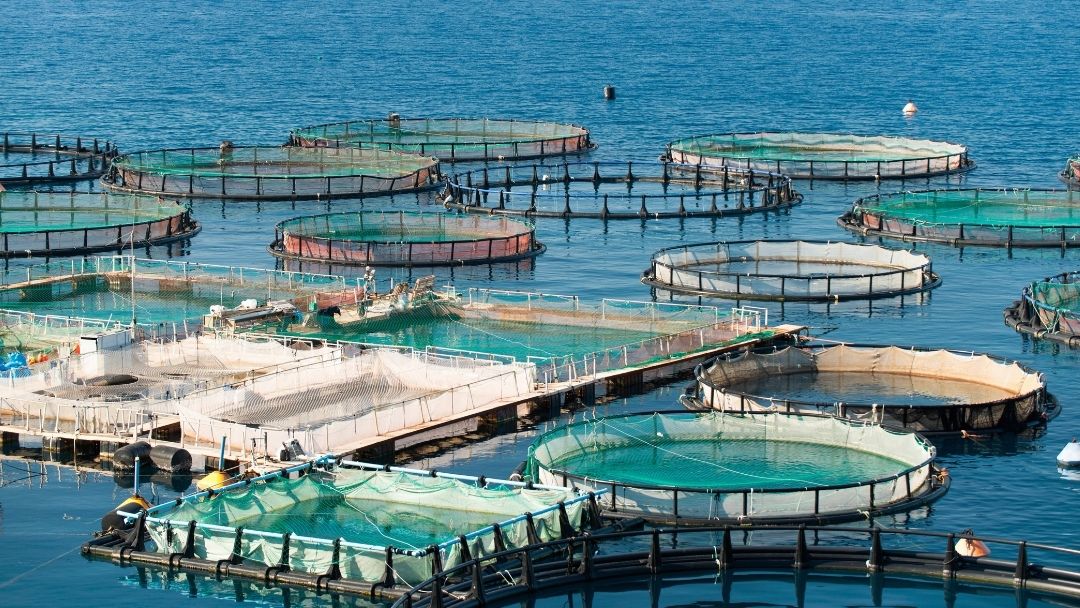
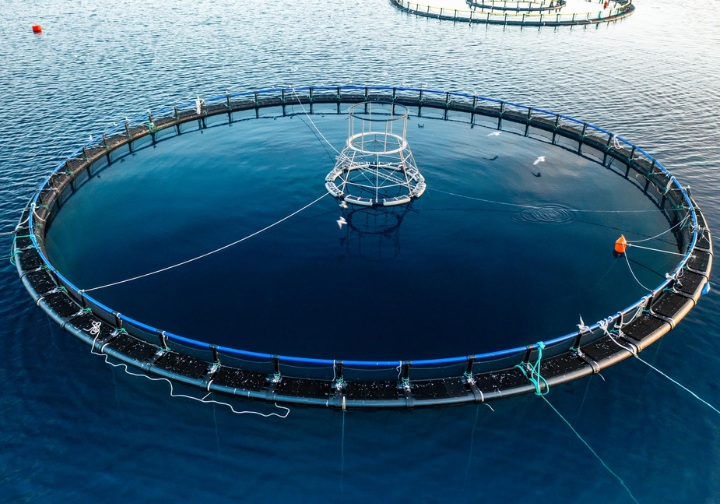
- Choosing materials suited to each operating context, from fish farming tanks and fish ponds to open-sea net pens;
- Ensuring conditions that support fish welfare and healthy development.
The goal isn’t just to produce more. It’s to produce more safely, with better water circulation, and with equipment that lasts. And that’s where true efficiency lies.
How to Produce More with Less Environmental Impact?
Demand for farmed fish is growing fast. And each new production cycle puts pressure on two fronts at once: the farm and the surrounding ecosystem.
That’s why sustainability in aquaculture is no longer just an environmental or regulatory requirement. It’s also a way to reduce losses, extend equipment lifespan, and improve production.
In practice, this shift is already visible on the ground, in everyday decisions: managing water, choosing nets and materials, protecting fish, meeting certification criteria, monitoring production.
We’ve gathered them into five trends that show where the industry is heading, with greater efficiency, control, and environmental responsibility.
1. Water Quality Management and Optimization
Few factors weigh as heavily on production as water quality in aquaculture. Oxygen levels, temperature, salinity, and water turnover directly determine fish health, growth, and survival.
Poor water management can undermine every other sustainability effort, even when high-quality materials and good management practices are in place.
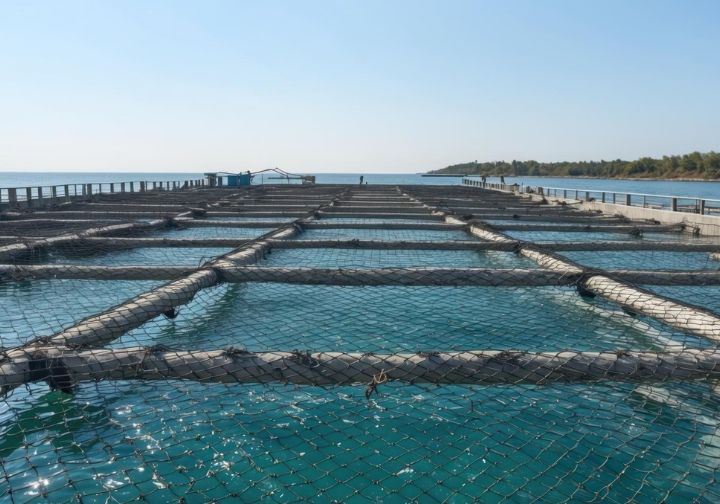
There’s a detail many producers overlook: the net pen’s own structure affects this balance. Mesh size, net tension, and condition all influence hydrodynamic circulation. A damaged net or mismatched mesh size can create low-water-turnover areas, forming stagnant water pockets. These areas reduce oxygenation, encourage waste buildup, and increase the risk of pathogen proliferation.
Therefore, the trend is clear: the most efficient farms treat water management as a priority, combining regular monitoring with close inspection of their structures.
2. More Durable Materials with Lower Environmental Impact
The industry is investing in solutions that increase net strength, extend service life, and reduce the need for frequent replacements. Materials such as high-density polyethylene (HDPE) stand out for their durability, recyclability, and lower ecological footprint.
To maximize net lifespan, advanced UV treatments applied during filament extrusion are essential. They slow UV-related degradation and help preserve the mesh’s strength and elasticity over time.
3. Animal Welfare in Aquaculture
Producing more without harming the environment also depends on animal welfare. In an overcrowded tank, fish live under constant stress. The result is higher mortality, slower growth, and lower farm performance. That’s why investing in good production conditions shouldn’t be seen as a cost, but as an essential component of production efficiency.
Structures play a decisive role here. In land-based fish farms, mesh size must ensure adequate oxygenation and natural light. In open-sea net pens, well-sized protective systems, such as predator-exclusion nets, prevent escapes and biomass loss.
When fish have adequate space and good water circulation, the farm gains stability, predictability, and efficiency.
4. ASC Certification
More and more farms are seeking ASC (Aquaculture Stewardship Council) certification, which validates responsible aquaculture practices. It is no longer just a competitive advantage. It has become a condition for market access.
Major European retailers already require this certification. Without it, farms may be excluded from certain sales channels, regardless of product quality.
The process evaluates criteria such as:
- Water quality management;
- Animal welfare;
- Feed sourcing;
- Environmental impact of production structures.
For producers, it’s an incentive to invest in equipment and processes that meet increasingly demanding standards.
5. Digitalization and Smart Monitoring in Aquaculture
Digitalization is transforming aquaculture production, both on and off the farm. On-site oxygen, temperature, and salinity sensors enable real-time monitoring of water conditions and help detect anomalies before they lead to losses. Off-site digital traceability, which records and verifies the origin and production conditions of each batch, is a growing requirement among European distributors, driven by stricter regulations on labeling and the origin of food products.
For producers, this creates a path toward more preventive management and a transparent, verifiable production chain.
Frequently Asked Questions
What is sustainable aquaculture?
It’s the production of fish and other aquatic species in ways that reduce environmental impact and ensure animal welfare, while maintaining long-term viability. It includes more durable materials, good water management, and practices that protect the ecosystems where farms operate.
What is ASC certification?
ASC is an international certification from the Aquaculture Stewardship Council that demonstrates a farm follows responsible practices. It assesses criteria such as water quality, animal welfare, and the environmental impact of production.
What is digital traceability in aquaculture?
It’s the ability to record and verify the origin and production conditions of each batch throughout the entire supply chain. It allows distributors and consumers to confirm that the product meets the high standards required in European markets and in certification processes like ASC.
How can water quality be improved in an aquaculture operation?
Water quality improves with regular monitoring of oxygen, temperature, and salinity, along with good water circulation in net pens and ponds. This care reduces fish stress, helps maintain the balance of the growing environment, and supports healthier growth.
What makes net materials for aquaculture more sustainable?
High-density polyethylene (HDPE) remains a benchmark for durability and strength. The current trend is to complement this material with recyclable, lower-impact solutions, reducing the need for frequent replacements and raw material consumption.
Why does the choice of net matter for sustainable aquaculture?
The net affects water circulation, fish safety, predator protection, escape risk, and structural durability. The right net maintains good water circulation, reduces escapes and biomass loss, and extends the structure’s lifespan, translating into fewer replacements across multiple production cycles.
Make Your Aquaculture Operation More Sustainable
Sustainable aquaculture depends on technical decisions that protect production, reduce risk, and extend equipment service life.
At Cadilhe & Santos, we develop customized nets and solutions for a range of aquaculture settings, from land-based ponds to open-sea net pens.
Looking for a solution tailored to your aquaculture project? Get in touch with our team to discuss your farm’s needs.