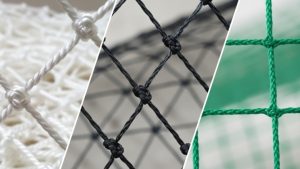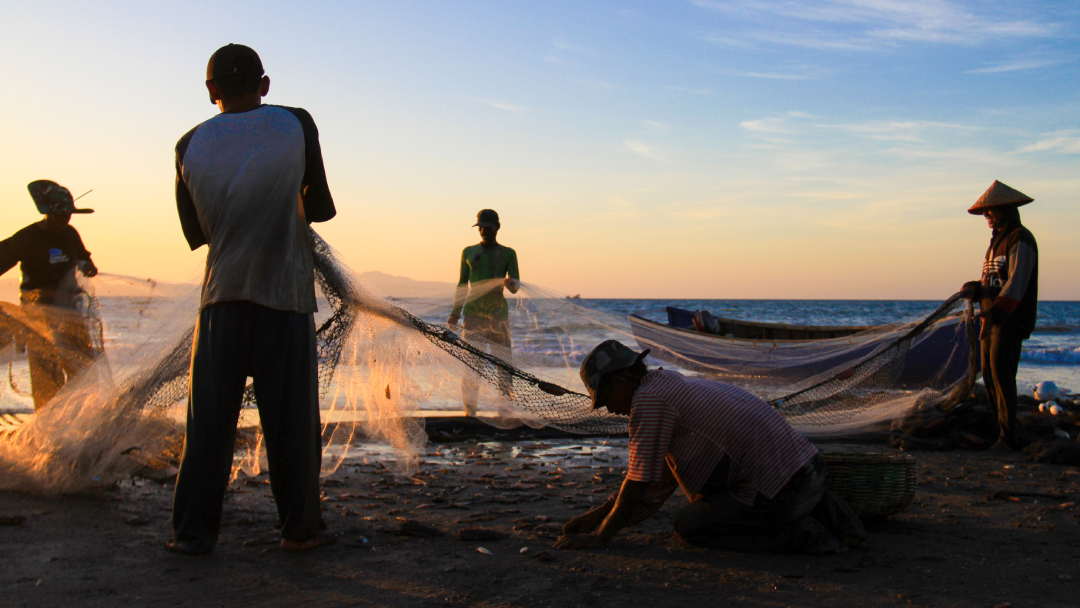
Monofilament nets are a staple in the toolkit of many fishers. Their versatility, lightness, and strength make them a popular choice in both artisanal and trawl fishing. However, constant exposure to marine environments can compromise their durability—leading to high costs, reduced efficiency, and even negative environmental impacts.
Taking care of nets is not just about performance; it’s also a step toward sustainable fishing. Keeping gear in good condition helps reduce waste, prevents nets from being abandoned at sea, and protects marine ecosystems.
In this article, we’ll share simple and effective practices to extend the lifespan of monofilament nets—ensuring more efficient, cost-effective, and eco-friendly fishing.
What Are Monofilament Fishing Nets?
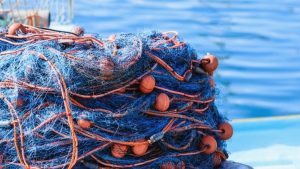
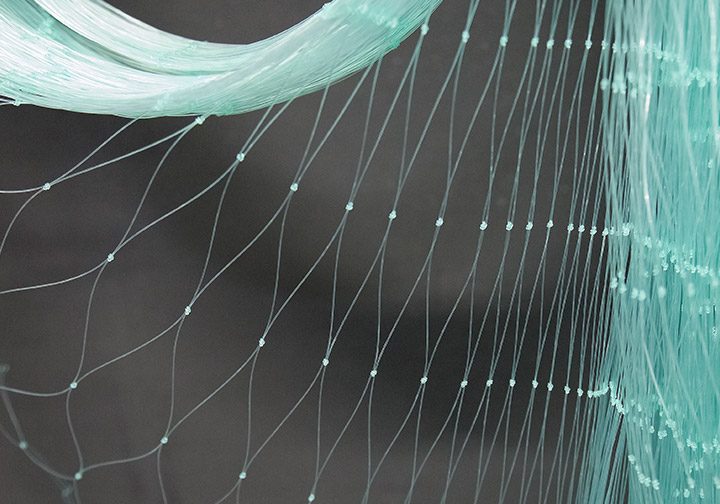
Monofilament fishing nets are made from a single continuous strand of synthetic material, usually nylon, known for its lightness, strength, flexibility, and underwater transparency. These features make them ideal for fishing in clear waters, as found in many coastal areas of Portugal.
The lightweight nature of this nylon fishing line makes handling and transport easier and more affordable than other types of nets. These advantages explain why both professional and recreational fishers widely use monofilament nets across various fishing methods. However, like any other fishing gear, monofilament has limits – and its performance depends on the care it receives.
How to Prevent Wear and Tear on Monofilament Nets
1. Rinse Nets After Use in the Sea
Saltwater, sand, and marine debris are among the biggest threats to the durability of monofilament fishing nets. Salt can corrode the fibers, making them more fragile and prone to breakage.
To prevent this kind of damage, it’s essential to:
– Rinse nets with fresh water after each use.
– Let them dry completely, preferably in the shade.
2. Avoid Extreme Temperatures
Both intense heat and extreme cold can alter the structure of nylon. Heat makes the material more brittle and sensitive to tension, while cold reduces elasticity, making the net more prone to tears.
Recommendations:
– Don’t leave nets under direct sunlight for long periods.
– Store them in cool, dry places, away from direct sunlight and humidity.
– Use tarps or proper containers to protect nets during transport.
3. Handle Carefully Around Rocky Areas
During fishing, nets often come into contact with rocks, coral, and other abrasive surfaces that can damage monofilament lines. This physical wear weakens the net’s structure and shortens its lifespan.
To minimize this risk:
– Avoid dragging nets over rough surfaces.
– Haul and cast nets carefully, avoiding unnecessary impacts.
– Inspect nets regularly for knots, cuts, or deformities to prevent further damage.
4. Perform Regular Maintenance
Inspecting nets regularly and addressing damage promptly can significantly extend their lifespan. Whenever you spot stretching or broken strands, carry out the necessary repairs to prevent the issue from worsening.
In addition, you should:
– Check the nets before and after each fishing trip.
– Repair tears, tight knots, or worn-out areas.
– Use proper tools and compatible lines to ensure that repairs maintain the net’s structural integrity.
– Avoid overloading the net beyond the weight recommended by the manufacturer.
5. Proper Storage
Store the nets in cool, dry, and well-ventilated areas, away from direct sunlight, to prevent material weakening. Storage should also avoid excess moisture, which promotes the growth of mold and mildew, compromising the net’s durability.
How to Repair Monofilament Nets
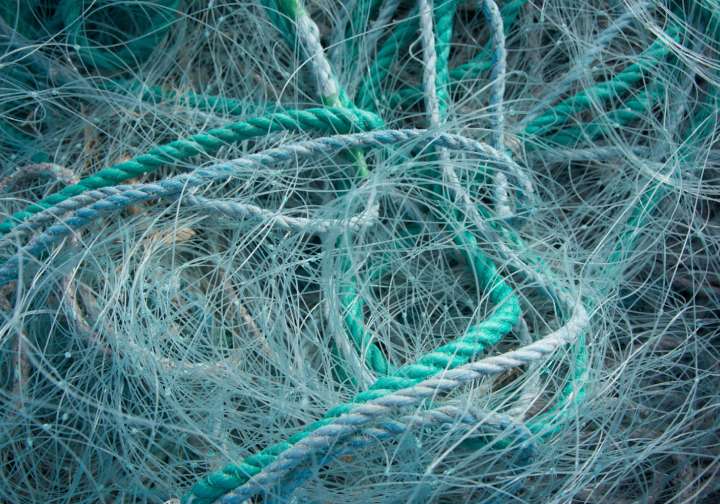
As we’ve seen, the recovery of these nets begins with a careful visual inspection to identify damaged areas, such as tears, tight knots, deformations, or broken threads. To facilitate the process, stretching or hanging the net is recommended, allowing for a more precise observation.
Next, remove the affected section, whether it is an isolated thread, a mesh, or a set of meshes. Use specific tools, such as patching needles, scissors, and repair threads compatible with the type of original monofilament.
Maintaining the net’s tension and structure is essential to preserve its performance in the water. Finally, interlace the new mesh with the intact areas, respecting the pattern and spacing of the original thread.
Maintaining your monofilament nets in good condition improves fishing efficiency, reduces unnecessary costs, and promotes a more sustainable approach. Simple care, such as regular cleaning, proper storage, and frequent inspections, makes all the difference in the material’s durability.
By adopting these good practices, you avoid premature replacements and minimize environmental impact, ensuring that each trip to the sea is more productive and responsible. Taking care of your gear is key to improving performance, extending durability, and contributing to more responsible fishing.