What Are Ghost Nets and Why Are They a Problem?
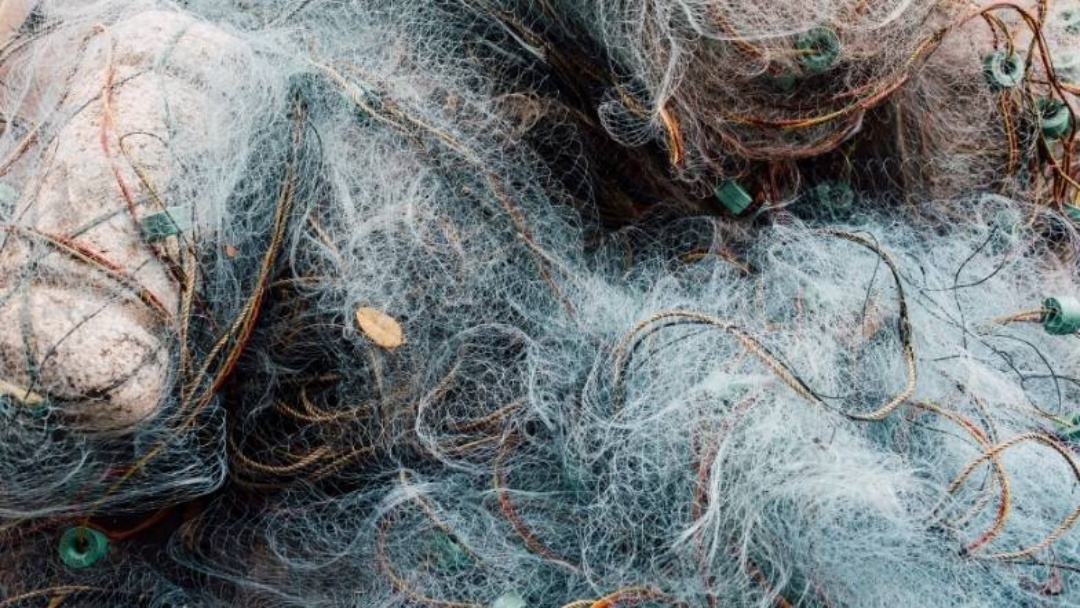
Fishing nets lost at sea, whether due to severe weather, structural failures or unintentional abandonment, remain active and continue to capture species without control. This phenomenon, known as ghost fishing, causes damage that goes far beyond what can be seen at the surface:
- Unintended catches that are never recorded or managed;
- Additional pressure on species already at risk;
- Silent destruction of sensitive marine habitats;
- Real hazards for navigation and maritime safety;
- Operational losses for vessels that lose essential equipment.
Because they are made from highly durable synthetic fibres, these nets can remain in the ocean for years while retaining much of their structural integrity. This is why it is urgent to adopt sustainable solutions that prevent not only the loss of nets and equipment but also ensure they are disposed of correctly.
How Industrial Fishing Nets Are Made
Fishing nets used in industrial operations rely on synthetic fibres engineered to withstand demanding marine conditions. Understanding these materials helps explain why proper disposal is so critical.
Polyamide (PA)
Also known as nylon, polyamide stands out for its high tensile strength and excellent elasticity. These characteristics make it the preferred choice for deep-water operations where constant tension is expected.
This material withstands intense pulling forces without giving way and absorbs water efficiently, increasing the sinking speed of nets, a key advantage in gears such as purse seines.
However, polyamide has lower UV resistance than other materials, which requires stabilising treatments to prolong its lifespan when exposed to sunlight.
Polyethylene (PE)
Lightweight, robust and naturally buoyant, PE is ideal for surface nets. It is resistant to abrasion and contact with rocky seabeds. It is widely used in coastal trawl nets and aquaculture nets in lakes and rivers where the environment is not extremely aggressive.
UV-stabilised polyethylene offers high resistance to sunlight exposure, making it an economical and versatile option for different types of fishing.
Polypropylene (PP)
PP offers good resistance to prolonged exposure to saltwater, acids and alkalis found in marine environments. It is lightweight and naturally buoyant, and is widely used for similar applications as polyethylene, including coastal and offshore trawl nets and aquaculture structures.
Polyester (PES)
With excellent load capacity and dimensional stability, polyester remains firm even under intense pressure. It is the material of choice where structural failure is not an option. One of its greatest advantages is its low water absorption, meaning nets maintain their weight and shape even when fully wet.
Its superior strength and smoothness make it an easy choice for large-scale commercial nets, heavy-duty trawl net sections and cod-end linings designed to protect fish from damage.
These features make fishing nets highly effective during operations. The problem? The same durability means that when they are lost or discarded irresponsibly, they can remain in the ocean for decades.
How to Dispose of Fishing Nets Sustainably
The way a fleet organises and disposes of its fishing gear on land is essential for reducing marine pollution. It is not complicated, but it requires method. Following these four essential practices can make the difference between protecting the ocean and contributing to the problem.
1. Separate Materials by Type and Condition
Before sending nets for recycling or specialised collection, sorting is essential. It may seem like an extra step, but this is where the impact of the entire process begins.
- Separate fibres by type;
- Remove dirt, mud and encrusted marine organisms to avoid contaminating the batch;
- Identify damaged segments.
This initial sorting improves the quality of the material sent for processing and prevents contamination that can compromise recycling.
2. Store Safely on Land
Improper storage can lead to microplastic release or allow wind and rain to carry nets back into the sea.
Recommended storage solutions include:
- Closed containers;
- Heavy-duty industrial bags;
- Designated and marked areas within the dock or warehouse.
Proper on-land management reduces unexpected issues, makes crew work more efficient and ensures that material arrives where it should, in the right condition.
3. Using Official Collection Points
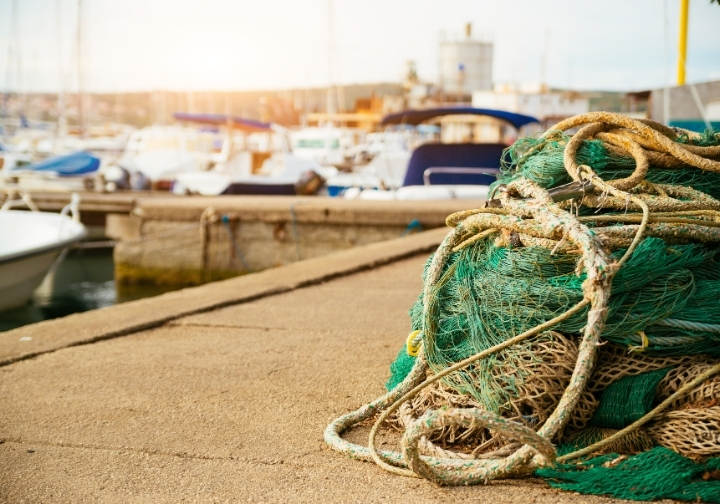
Ports, cooperatives and waste-management organisations increasingly provide dedicated drop-off points for end-of-life fishing gear. The type of collection available varies depending on the material and its condition. If you are handling damaged nets or gear that has reached the end of its service life, there are two main routes to follow:
- Nets and general fishing gear: Look for licensed waste-management providers or port-based collection points that accept synthetic fishing materials for processing, recycling or repurposing.
- Gear requiring documentation or specialised handling: Some types of professional fishing equipment require regulated disposal. In these cases, local maritime authorities or fisheries management agencies are responsible for overseeing the correct procedures.
At official collection points, materials are typically registered, sorted, weighed and directed for recycling or repurposing. This step ensures proper treatment and avoids the risk of accidental abandonment.
Tip: Contact your local harbour authority, fisheries office or cooperative to learn which collection options are available in your region.
4. Recycle and Integrate into the Blue Circular Economy
Collected nets can follow different valorisation pathways, each contributing to the blue circular economy.
- Mechanical recycling transforms nets into pellets used as raw material for new products, from industrial components to urban furniture.
- Reprocessing makes it possible to create new ropes, fibres or composite materials that can return to the sector.
- Upcycling goes even further by creating higher-value products used in other industries such as fashion.
This circular cycle reduces the need to produce new plastics and extends the useful life of existing materials.
Prevention: Reducing the Risk of Loss and Disposal
More than disposing of nets correctly, it is essential to prevent waste altogether. This is where technologies that eliminate the need for disposable accessories and reduce equipment loss at sea become crucial.
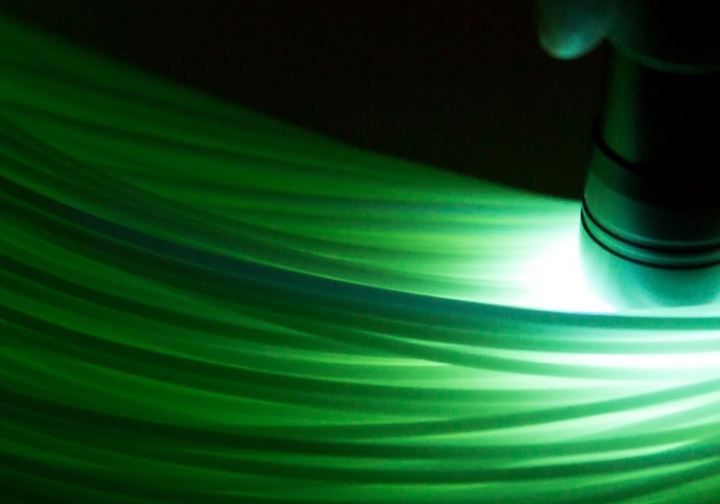
A strong example is FishFiberLight, a luminescent fishing line developed by Cadilhe & Santos in partnership with CeNTI.
Its operation is simple. This monofilament emits its own light, completely eliminating the need for chemical light sticks or battery-powered LED systems traditionally used in fishing. Conventional lights break, are lost at sea or are discarded after every operation, accumulating as marine debris.
The advantages are clear:
- It is 100% recyclable and more environmentally friendly than conventional alternatives;
- It emits light without batteries or chemical light sticks that end up in the ocean;
- It remains visible even in deep waters, ensuring operational efficiency;
- It reduces dependence on disposable lighting devices;
- It is fully retrieved after each operation.
By eliminating chemical lights and equipment prone to being lost at sea, this solution significantly reduces the amount of waste generated by industrial fishing before it even reaches the ocean.
Biodegradable Nets: A Decisive Step Towards the Future
Cadilhe & Santos is also investing in the development of biodegradable fishing nets capable of significantly reducing environmental impact if lost at sea.
The Bio Net nets represent a concrete advance in sustainable fishing. Designed with certified biodegradable materials, these nets reduce the environmental risk associated with ghost nets. They naturally degrade without leaving persistent microplastics.
In this way, these nets help protect sensitive ecosystems and offer fleets a practical option to reduce their impact.
Sustainability in industrial fishing requires action on three fronts: conscious operation, proper gear maintenance and responsible disposal. Focusing on just one is not enough.
With effective sorting processes, safe storage, delivery to official collection points and preventive technologies such as FishFiberLight and Bio Net, fleets can significantly reduce the impact of fishing nets on the ocean.
Cadilhe & Santos remains committed to developing more efficient, durable and environmentally friendly materials, contributing to safer operations and the protection of our seas.