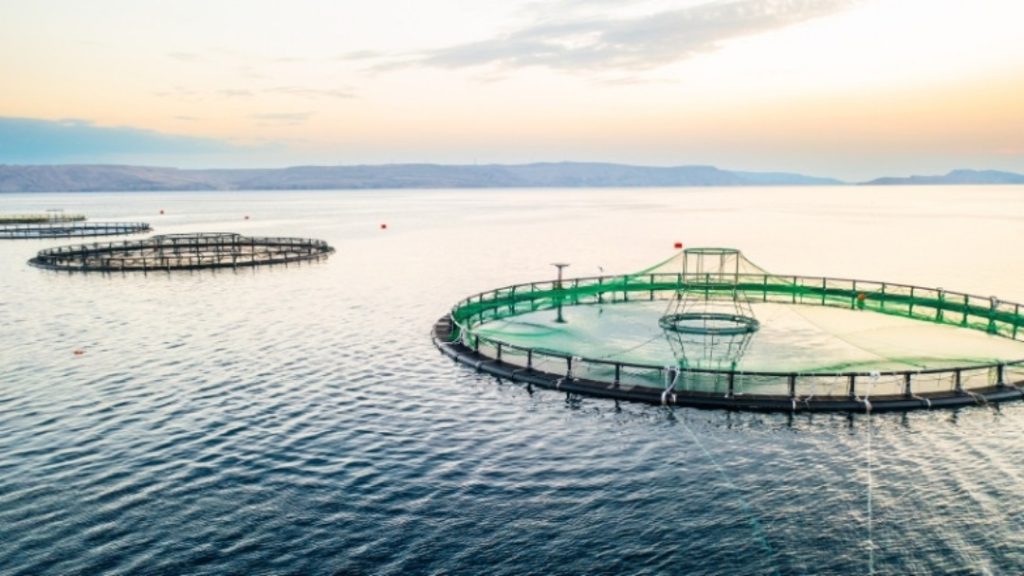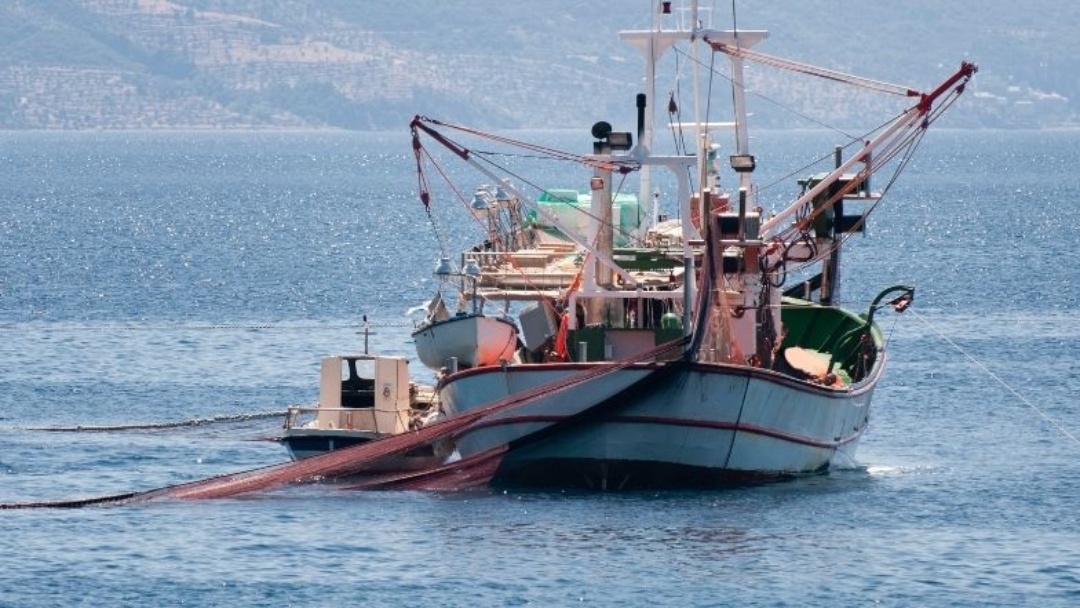
In industrial fishing operations, time and organization are critical. Unlike small-scale or boat fishing, large fishing vessels require fast, well-coordinated processes to ensure safety, efficiency, and optimal use of resources.
The setup phase on fishing vessels is a decisive moment. It demands planning, precision, and speed. When done right, it improves catch efficiency, extends the lifespan of fishing equipment, and reduces operational failures.
Setup Challenges and How to Overcome Them
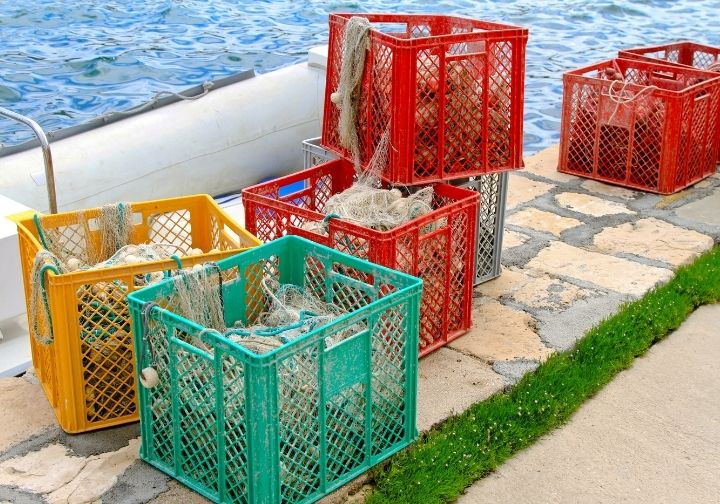
Simple solutions like labeling, modular containers, and updated inventories help avoid improvisation and ensure quick access to fishing gear. It’s also crucial to have spare parts ready: pre-cut fishing lines, pre-assembled nets, and spools sorted by operation type.
Onboard, well-planned logistics reduce maneuver time and keep operations running smoothly, even in unpredictable offshore conditions.
Gear Setup by Type of Offshore Fishing
The way fishing gear is set up varies depending on the type of equipment and the nature of the operation. Below, we outline best practices for the main methods used across different industrial fishing techniques.
1. Purse Seine Nets
This type of fishing net is primarily used to catch sardines, mackerel, and tuna. It’s an intensive method that deploys large-scale nets to encircle schools of fish. Once deployed, the base of the net is closed using a drawstring passed through rings in a process called “pursing.” This mechanism prevents fish from escaping and is often supported by mechanized retrieval systems.
To ensure an efficient and safe setup:
- Distribute floats and weights evenly across the net.
- Use high-tensile fishing lines with abrasion resistance suitable for heavy catches.
- Install clearly visible marker buoys and organize retrieval cables by zone.
- Inspect all net joints to prevent breakage during hauling.
It’s also essential to ensure that all components of the purse seine fishing gear are compatible. The setup process should follow a logical sequence to ensure a smooth deployment with no tangles. Whenever possible, conduct onshore tests, especially when working with new materials or training crews.
2. Bottom Trawling
A widely used technique for catching bottom-dwelling species and shrimp. It relies on heavy-duty fishing nets, dragged along the seabed with the help of trawl doors and high-strength cables.
To ensure an efficient and safe setup:
- Reinforce the fishing net mesh at high-stress points.
- Frequently inspect towing cables and trawl doors for signs of wear.
- Check the alignment and symmetry of the setup to maintain a stable net opening during trawling.
- Adjust weights and floats based on seabed type to avoid snags or damage.
- Keep fishing gear well organized with spare parts easily accessible on board.
A well-executed setup increases gear durability, reduces failures during trawling, and improves catch efficiency, even in demanding deep sea fishing conditions.
3. Bottom and Surface Longline Fishing (Industrial Longlining)
Longline fishing targets high-value species like tuna, swordfish, and marlin. It can be used at depth (bottom longline) or near the surface, depending on the target species and fishing area.
This method requires precision and organization. To ensure an efficient and safe setup:
- Keep precise spacing between hooks (1–3 meters for bottom and 40–60 meters for surface lines) to prevent tangling and accidental bycatch.
- Use automated line haulers for fast, organized line winding.
- Number gear supports and sections to maintain proper setup sequence.
- Choose abrasion-resistant fishing lines suited to the target species.
It’s also important to prepare bait carefully and select hooks matched to the species. Include visible buoys and light markers in your setup to improve gear visibility and safety during operation.
The setup phase on the fishing vessel is also the perfect time for inspections. Check cables, knots, seams, and friction points for signs of wear to avoid failures during active fishing.
At Cadilhe & Santos, we develop monofilament fishing line with technical finishes, visible coloring, and adaptive textures, making it easier to inspect gear during setup and detect problems quickly.
Trained Crew, Guaranteed Results
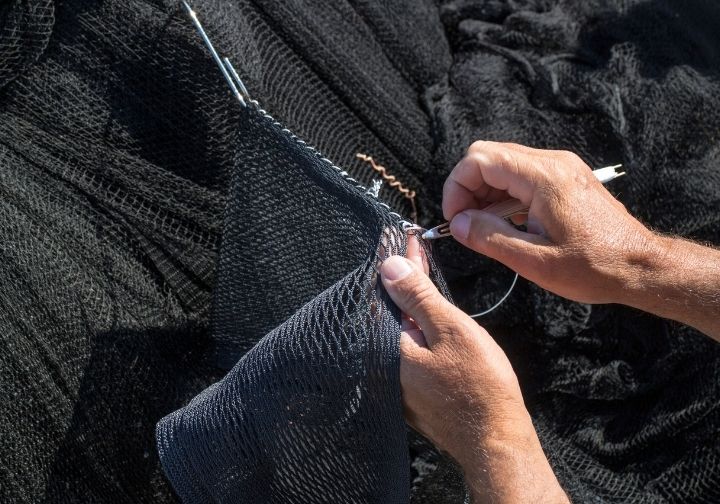
Even the best fishing gear loses its value without a skilled crew. To get the most from your offshore fishing equipment and ensure efficiency, continuous training is essential, especially in industrial fishing contexts. There are three key areas to focus on:
1. Standardized Procedures
Train your crew using visual guides, checklists, and clear routines to ensure consistency in fishing vessel setup. This reduces errors, improves coordination, and makes it easier to onboard new team members.
2. Operational Safety
Handling offshore fishing equipment, such as winches, cables, or automated systems, requires attention and specific training. A well-prepared crew minimizes accident risks and ensures the integrity of the operation.
3. Technical Skills
Operating new technologies, adjusting fishing lines, and troubleshooting mechanical issues on board gives crews more autonomy. At sea, this capability reduces downtime and avoids unnecessary losses.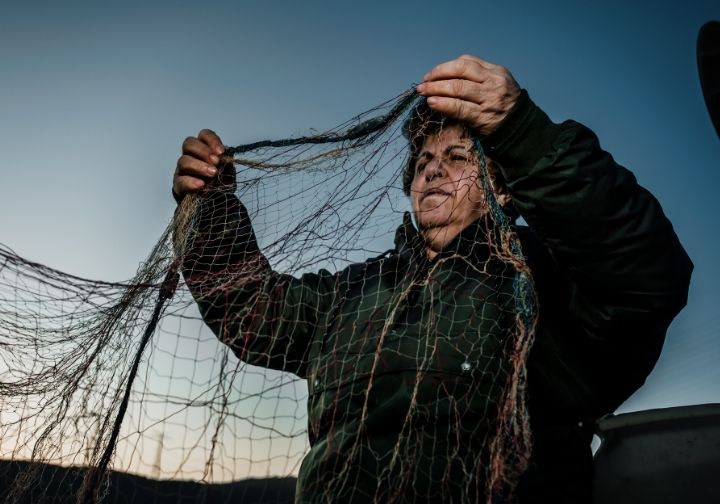
Saving Time Means More Productivity
On a professional fishing vessel, efficiency doesn’t happen by chance, it’s a strategic choice. Standardized processes, well-distributed tasks, and using pre-assembled, labeled fishing gear make workflows faster and reduce mistakes.
That’s why at Cadilhe & Santos, we design monofilament fishing lines built for performance, durability, and ease of use. Because at sea, every detail matters.