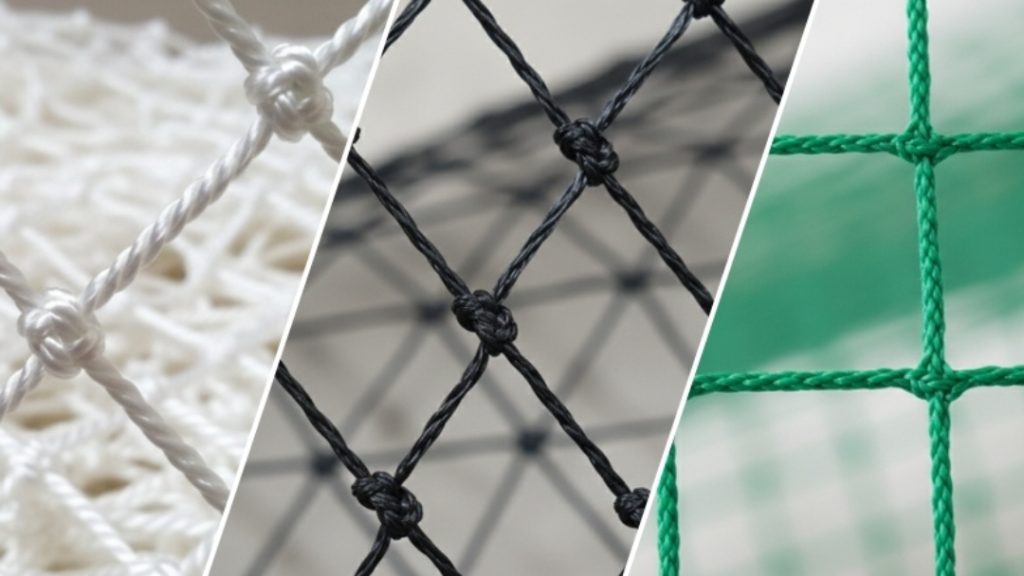
Conventional Fishing Nets Problem
Traditional fishing nets are typically made from synthetic materials, such as nylon and polyethylene. These plastics are extremely durable and can persist in the ocean for decades. When lost or discarded, they become what are known as ghost nets, floating traps that continue to entangle fish, sea turtles, dolphins, and other marine life without control, threatening ocean biodiversity.
According to the NGO Animal Protection, ghost nets are responsible for the deaths of around 100,000 marine animals every year. In addition to harming wildlife, they damage marine ecosystems and jeopardize the long-term sustainability of fishing itself.
The United Nations estimates that more than 640,000 tonnes of fishing gear are dumped into the sea each year. This figure underscores the pressing need for eco-friendly fishing solutions, emphasizing the importance of collaboration across the sector, including among fishers, governments, industry, and society.
Why Sustainable Fishing Matters
Fishing remains a vital activity for global food security and coastal economies. However, the continued use and disposal of non-degradable gear poses serious threats to marine life and the future of the fishing industry.
Discarded plastic nets contribute directly to the rise in marine litter, pollute natural habitats, and put vulnerable species at even greater risk. It’s within this context that the Bio Net emerged, a Portuguese innovation designed to meet real industry needs while helping reduce ocean pollution.
Bio Net: A Smart Solution for Sustainable Fishing
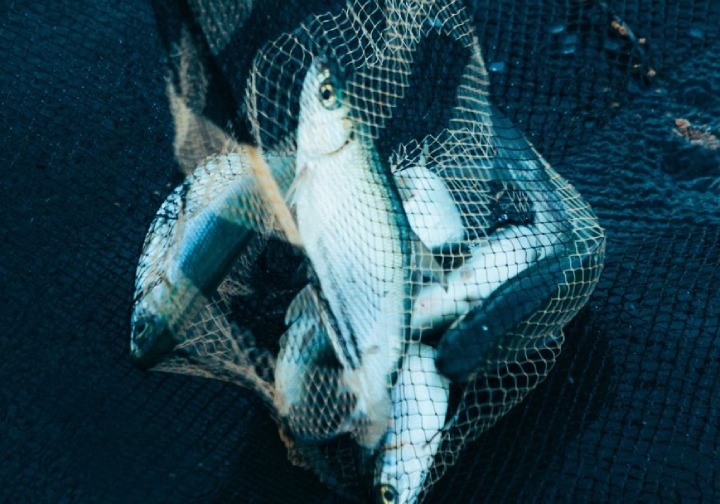
The Bio Net is made from a biodegradable monofilament that offers strength, flexibility, and durability during use. While deployed at sea, the material remains stable, performing reliably even under long-term exposure to salt water, tension, and temperature changes.
After reaching the end of its life cycle, and if not retrieved, the net naturally begins to biodegrade in less than five years.
Why Biodegradable Fishing Nets Are the Future
Adopting biodegradable fishing nets, such as the Bio Net, is a key step toward more responsible and sustainable fishing practices. These solutions reduce the accumulation of plastic waste in the ocean, protect marine species, and preserve natural resources for future generations, all while maintaining operational performance.
Cadilhe & Santos’ Commitment to Eco-Innovation
The Bio Net is more than a technical innovation; it’s a meaningful contribution to a cleaner, more resilient ocean.
The shift to sustainable fishing relies on a collective effort involving fishers, aquaculture professionals, public authorities, and consumers. At Cadilhe & Santos, we believe it’s possible to combine operational efficiency with environmental responsibility. That’s why we invest in cutting-edge fishing technology designed to support sustainability worldwide.
Products like the Bio Net reflect our long-standing commitment to building better practices in the fishing industry.
Because change begins with tangible choices, we invite all professionals in the sector to discover the benefits of integrating biodegradable nets into their operations.
For a cleaner ocean and a more sustainable future.